



Ad

Sponsored content by TME Transfer Multisort Elektronik
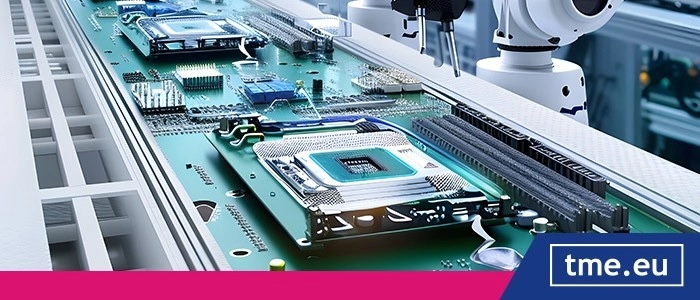
Power Control and Circuit Protection – Solutions from Littelfuse and IXYS
Power electronics systems must not only efficiently control the flow of energy but also handle phenomena that may threaten their components. In converters, inverters, power supplies, or drive systems, semiconductors frequently switch large currents and operate at high voltages. At the same time, they may be exposed to overvoltages originating both from the power grid and generated within the device itself.
Sponsored content by Arrow Electronics
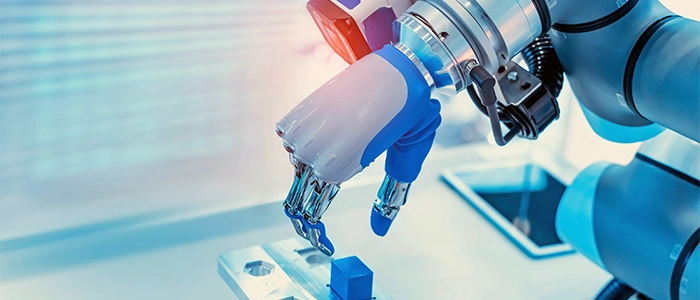
Arrow Electronics brings AI, robotics and edge applications to electronica 2026
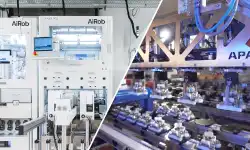
Arrow Electronics will bring several application-led technology demonstrations to electronica 2026, showing how AI, robotics, edge computing and electronic components are being applied across different vertical market segments.
Sponsored content by StarPower Europe AG
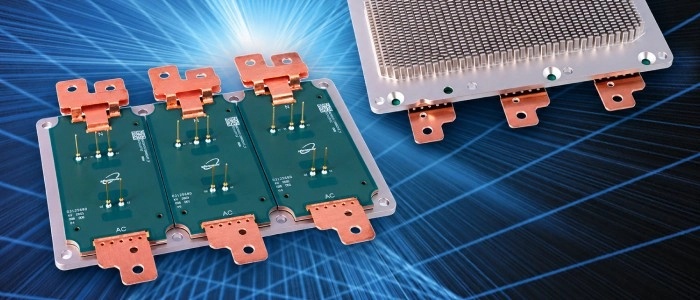
StarPower and the New Discipline of Power Electronics
Power electronics has entered a new phase—one defined not by incremental improvements, but by the ability to turn semiconductor performance into real, scalable system value. Efficiency, power density, and reliability are no longer isolated metrics; they are interconnected outcomes shaped by device physics, packaging, thermal design, and manufacturing execution. In this evolving landscape, StarPower is positioning itself as more than a component supplier—it is becoming an engineering partner in electrification.
















Sponsored content by Aurightec
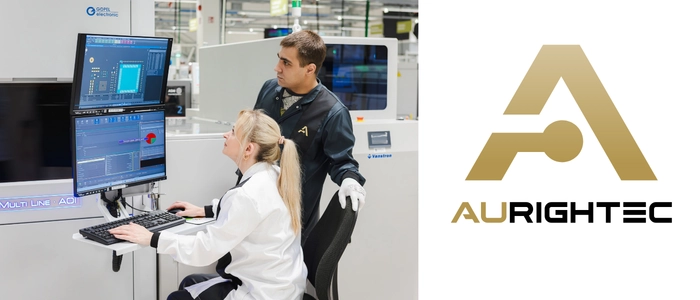
What an EMS Laboratory Actually Finds When Electronics Fail
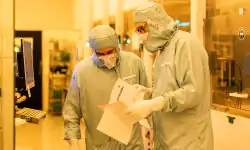
Most field failures that reach our laboratory are not exotic. They are the same handful of mechanisms, year after year. What varies is where they were introduced — and in the majority of cases we investigate, the durable fix turns out to be a design change rather than a process adjustment.
Load more news