


Has the semiconductor market changed since spring?
Earlier this year, several discussions at Evertiq Expo pointed to the same conclusion: while the semiconductor industry continues to grow, that growth is far from evenly distributed. AI, memory and data centres have driven record revenues, while other parts of the electronics industry continue to face a very different reality.
Ad
Understanding semiconductor datecodes in long-lifecycle electronics
The electronics industry has spent years learning to fear shortages, counterfeit components and end-of-life notices. But according to Ronny Nietzsche, Regional Sales Manager Nordic-Baltic Region at Rochester Electronics, another issue may be quietly shaping purchasing decisions — an outdated understanding of semiconductor date codes.

AI infrastructure boom reshapes electronics supply chain, says in4ma
The unprecedented wave of investment in artificial intelligence infrastructure is transforming the global electronics supply chain, with growing consequences for PCB manufacturers, material suppliers and OEMs worldwide. According to new research from in4ma and EMSNOW, demand generated by hyperscale data centre operators is driving up PCB prices, stretching lead times and redirecting manufacturing capacity towards AI applications.
Sponsored content by Evertiq AB
Evertiq is looking for a Sales Specialist in Poland
We are looking for a Sales Specialist who enjoys talking to people, building relationships and opening new doors. You don't need years of experience in B2B sales – what matters to us is that you are proactive, comfortable reaching out to new people and don't give up easily. You will work with companies across the electronics industry, helping them promote their business through advertising on Evertiq and participation in our industry events, while gradually building your own customer portfolio. We are looking for someone who wants to grow with us, learn the industry and actively contribute to Evertiq's development.
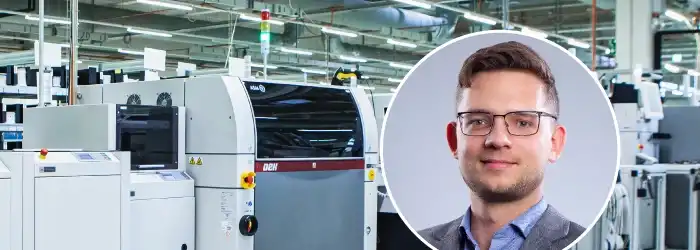
The ESG bottleneck: finding time for hands-on implementation
For Europe's electronics manufacturers, sustainability has become far more than a long-term ambition. Customer questionnaires, ESG platforms and an expanding regulatory framework are rapidly becoming part of everyday business, requiring companies not only to improve their environmental performance but also to demonstrate it through an increasing number of reporting frameworks.
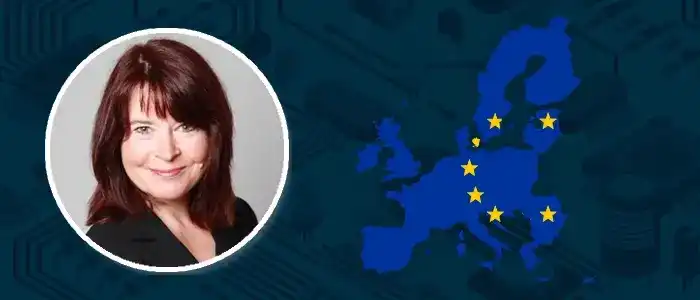
Why strategy has become the defining question for Europe's EMS industry
Some conference presentations end with the applause. Others begin there. They continue over coffee, in conversations between exhibition stands, and in the photographs people take before the final slide disappears from the screen. That was certainly the case during Evertiq Expo Berlin, where one presentation continued to resonate long after the audience had left the conference hall.
Ad
Ad

From Excel to AI: The future of production scheduling in electronics manufacturing
Despite increasing production complexity, many electronics manufacturers still rely on spreadsheets and manual coordination to plan their operations. Speaking to Evertiq ahead of her presentation at Evertiq Expo Berlin 2026, Mira Grünhaupt, Head of Solution Advisory at PAILOT GmbH, explains why advanced scheduling remains a challenge — and how AI-driven planning is helping factories become more flexible, responsive and competitive.
The challenge of connecting data across electronics manufacturing
Electronics manufacturers have more access to production data than ever before. Yet despite growing investments in digitalisation, many companies still struggle to achieve complete visibility across their production environments.
Digital twins in the automotive industry: fewer physical tests, more data-driven decisions
In the automotive industry, the digital twin is no longer just a simulation tool. It is increasingly becoming part of the decision-making process—it influences which components make it to the production line, which tests are performed physically, and which can be bypassed. At the same time, it helps answer questions about when it is safe to implement changes in production.
Evertiq Expo Berlin – between resilience, AI and manufacturing reality
The German electronics industry is entering a period defined less by stability and more by adaptation. For years, the sector benefited from a model built on industrial strength, global supply chains and close ties between manufacturing and export-driven growth. Today, many of those assumptions are being re-evaluated.
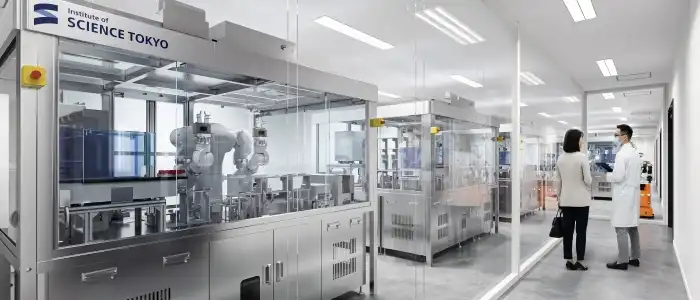
Tokyo wants to build a city-sized testbed for humanoid robots
A Tokyo university is planning a futuristic district where humanoid robots, autonomous vehicles and drone deliveries will operate as part of everyday urban life — turning an entire neighbourhood into a live test environment for next-generation technologies.
Sponsored content by TME Transfer Multisort Elektronik
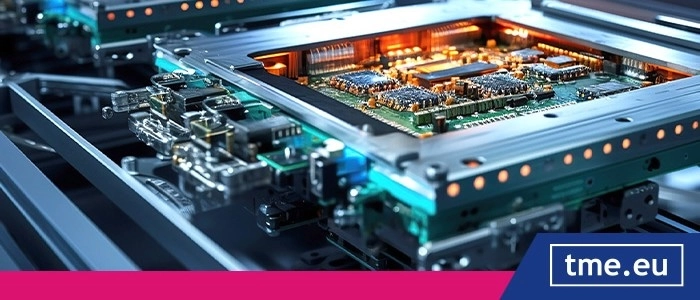
About products Selec brand installation meters and current transformers
Energy consumption in industrial plants is becoming an increasingly complex process due to many connected devices and continuous load fluctuations resulting from the nature of work. Most devices in industrial applications require high power to provide sufficient electrical energy to power large motors, heating systems, LED lighting, inverters, rectifiers, power supplies, and inductive circuits











Load more news