


ASMPT keeps SMT business following strategic review
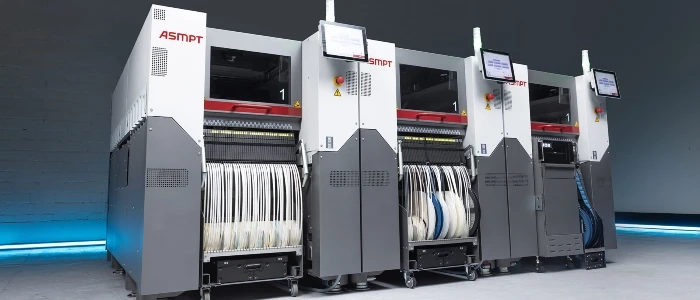
ASMPT has decided to keep its SMT Solutions segment, ending the review of strategic options it began in January. The company now expects the business, which includes the Siplace placement platform and DEK printers, to double its revenue by 2027 on the back of demand from AI infrastructure.
When ASMPT launched the review, it said the aim was partly to let the group concentrate more on its semiconductor business. The options included a sale, a joint venture, a spin-off and a separate listing. Now the board has concluded that the segment’s growth and profitability outlook makes keeping it the best option for shareholders, according to a press release from ASMPT.
The company also sees the SMT business as complementing its semiconductor segment, which supplies packaging equipment, by giving it a presence in system-level integration for AI servers, networking and power applications.
ASMPT says AI is changing the SMT business beyond an ordinary cyclical recovery. AI-related applications made up more than 50% of the segment’s bookings so far in 2026, compared with 12% in the same period of 2024. Advanced packaging accounted for about USD 340 million of bookings this year, or about 25% of the total.
ASMPT also claims market share gains. According to the company, its share of SMT bookings has risen from around 24% in 2025 to about 31% so far in 2026, while bookings have more than doubled from around USD 0.7 billion to above USD 1.4 billion. The company estimates that the addressable SMT market will grow by more than 20% a year between 2024 and 2027.
“For our SMT Solutions Segment, AI-driven demand is positioning the business for a step change in its financial profile. With this clarity on SMT’s future within ASMPT, we are focused on disciplined execution to realise this potential and create sustainable long-term value for shareholder,” says Bassel Haddad, who became Group CEO of ASMPT in August.
ASMPT expects the segment’s revenue to reach about USD 1.6 billion in 2027, double the 2025 level. Gross margin is expected to rise from the low 30% range to about 40%, and segment profit margin to reach 20%.