


Evertiq Expo Gothenburg 2026 – AI, shortages and the EMS market in focus
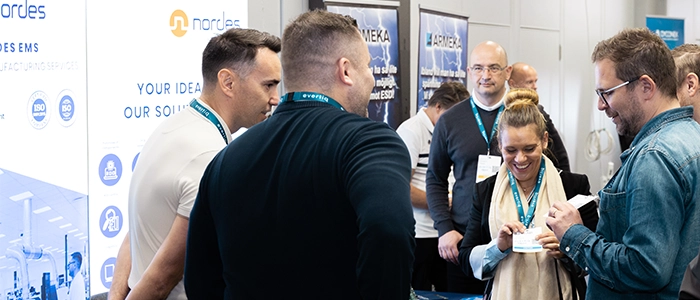
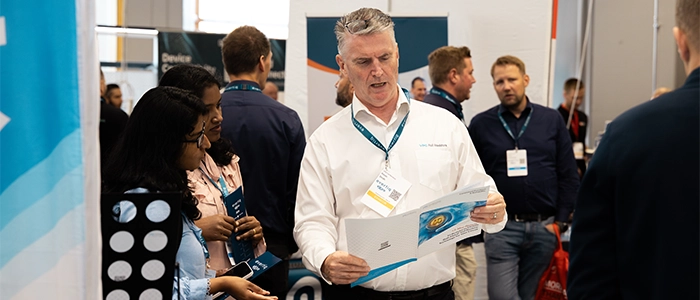
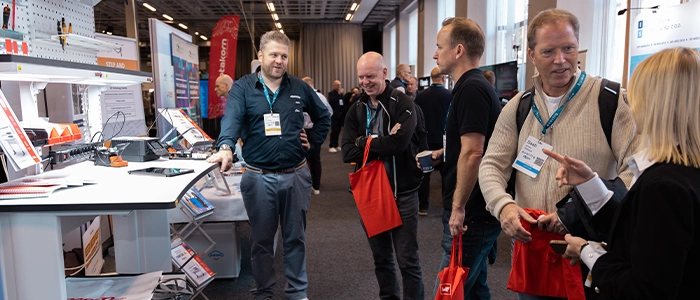
Evertiq Expo brought 908 people from 456 companies to Svenska Mässan in Gothenburg on 17 September. 496 visitors from 307 companies were welcomed by 149 exhibiting companies. The day featured a broad conference programme covering the semiconductor market, component management, circularity and the evolving EMS industry.
Conversations on the exhibition floor kept returning to AI and the consequences of the datacenter expansion – how sustainable the rapid growth is over time, and what supply constraints it leaves in its wake. The mood among exhibitors was, however, fairly upbeat. Many described a busier period than before, and several hinted that bigger things are in the pipeline – things that cannot yet be discussed openly.
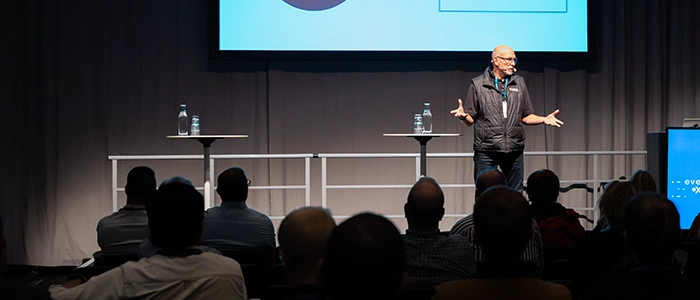
On stage, Ronny Nietzsche from Rochester Electronics took on one of the industry's most persistent myths: that date codes are a reliable measure of component quality. The message was direct – correctly stored components can be fully functional long after their markings suggest, and the industry is discarding working parts unnecessarily. It was one of the more concrete and immediately applicable sessions during the day.
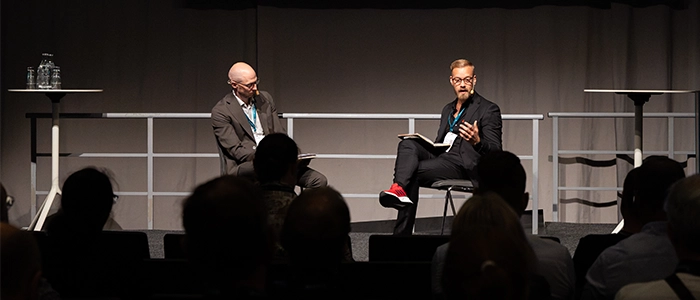
The current state of the semiconductor market took centre stage when Evertiq's Dennis Dahlgren and Sebastian Blom, Sales Manager at Rotakorn Electronics, met for a live conversation. The discussion moved from the rapid swing from oversupply to shortage in certain segments, to the automotive industry's unexpectedly high share of spot purchases and how the AI boom is putting pressure on components far down the supply chain. The role of geopolitics in sourcing decisions and the growing interest in alternative supply strategies were recurring themes.
Mareike Haass from in4ma presented the global picture, drawing on the latest figures from the Global EMS Top 100. The money is moving. Hyperscalers are investing in AI infrastructure at a scale that exceeds the entire annual revenue of the global EMS industry – with consequences for where capacity and growth end up. Europe accounts for 2.5% of global production value. The question of where the Northern European electronics industry fits into the next phase had no easy answer, but it set the agenda for conversations that continued on the exhibition floor.
The day closed with Evertiq's Dennis Dahlgren presenting an updated mapping of the Swedish EMS market – a database built from scratch, with 800 companies reviewed and 79 qualified (more than presented in Lund). Ten factories account for more than half of the market. The update since the Lund presentation in May included, for the first time, data on actual factory headcount, opening up new questions about the relationship between revenue and employment.
Further sessions covered ageing mechanisms and storage strategies for semiconductors, circularity as a competitive factor with a focus on ReLoop Electronics, fine-line PCB production using semi-additive process technology, UWB technology for road safety, and lifecycle management of embedded software.