



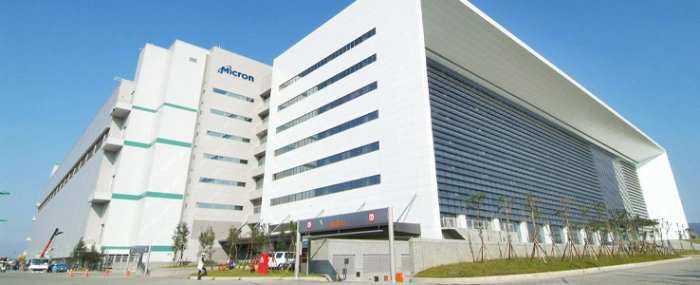
Micron faces strike threat in Taiwan over bonus dispute
Labour unions representing nearly two-thirds of Micron Technology's Taiwan workforce are threatening to strike unless the US memory chip maker changes how it distributes profits to employees, Reuters reports. More than 80% of union members who took part in an internal survey in August backed strike action.
The unions, representing workers in Taoyuan and Taichung, have approximately 10,000 members among Micron's roughly 15,000 employees in the two cities. For fiscal 2026, the unions are seeking a one-off bonus payment on top of the existing system, arguing that Micron's current Incentive Pay Plan does not reflect the company's profitability. From fiscal 2027, they want the IPP replaced with a system allocating 15% of operating profit to bonuses, distributed quarterly rather than annually, according to Reuters.
Micron responded that this year's performance bonus payout would be the highest in the company's history and that its compensation structure – which includes base salary, annual performance incentives, operational bonuses and equity programmes – differs from the profit-sharing model the unions are seeking.
The dispute comes at a sensitive moment. Taiwan is Micron's largest manufacturing base, with investments of NTD 1.4 trillion – approximately USD 43.9 billion – in the island, where Micron produces DRAM and high-bandwidth memory chips. A strike could disrupt chip supply at a time when AI-driven memory demand has tightened global supply and lifted profits across the sector. Micron reported record revenue of USD 41.46 billion and net income of USD 28.24 billion for its third quarter.
The dispute mirrors what occurred at Samsung in South Korea earlier this year, where a planned 18-day strike was called off after last-minute negotiations produced a special bonus pool worth 10.5% of the chip division's operating profit. The Taiwanese unions cited profit-sharing arrangements at Samsung and SK Hynix as evidence that the gap between Micron's Taiwan workers and their South Korean counterparts has widened.