


High DRAM prices push smartphone makers towards reballed memory
Rising contract prices for mobile DRAM are leading more smartphone brands to use reballed memory in their cheapest models. According to TrendForce, reballed memory will account for about 3–4% of the smartphone market in 2026, and could reach 7–9% in 2027.
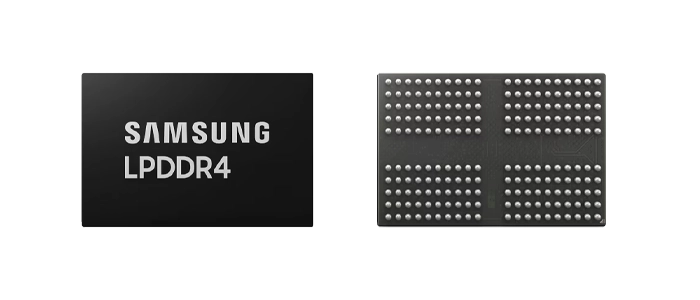
Most of the reballed memory on the market today is LPDDR4X 4GB, used mainly in 4G smartphones priced below CNY 1,299, according to a press release from TrendForce. Reballed memory consists of chips recovered from used devices and fitted with new solder balls so they can be mounted again. Buyers in that segment are highly price sensitive, and by using reballed memory, smartphone makers can absorb some of the rising component costs without raising retail prices.
The trend could spread. With DRAM price increases expected to accelerate in the first quarter of 2027, TrendForce expects cheaper components and reballed memory to gradually move into higher price segments as brands adjust to a long period of high memory prices.
It won’t change the direction of the market, though. Even as adoption grows in 2027, reballed memory is expected to account for a relatively small share of total LPDRAM bit consumption in smartphones, and TrendForce doesn’t expect it to significantly slow the rise in DRAM contract prices.
TrendForce also points to the risks. Reballed components are harder to source and their quality is less consistent, which could affect reliability and shorten device lifespans. That in turn could damage consumer confidence and brand reputation, and lead to higher warranty and repair costs.