

Evertiq Expo Berlin 2026 wraps up the first half of the year
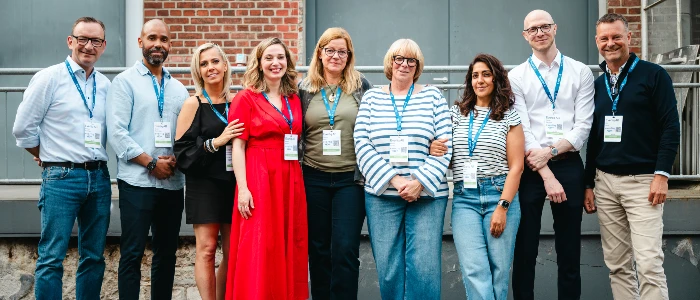
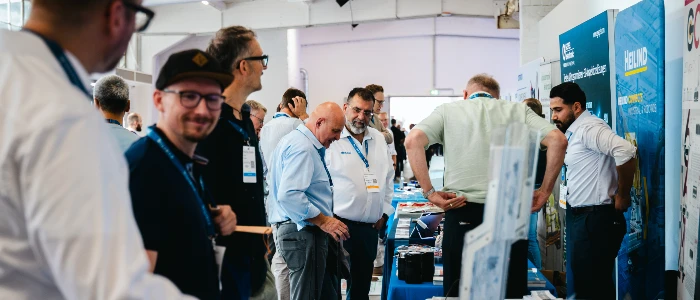
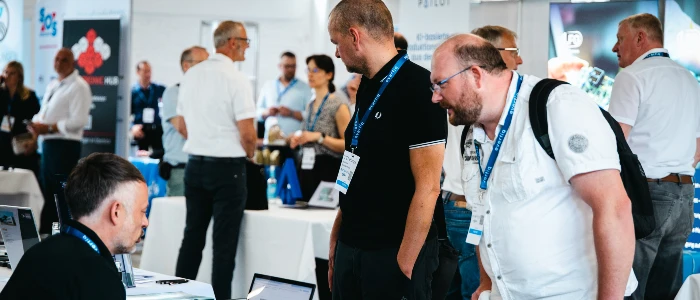
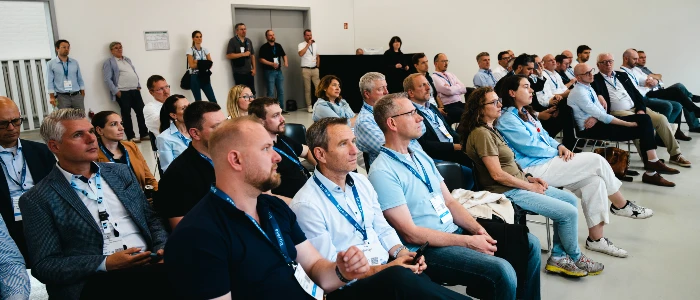
Evertiq Expo Berlin 2026 took place on June 18 at TEC Event Campus in Berlin's Siemensstadt district – a new venue for the event, which previously called Technology Park Berlin Adlershof home. The day brought together 328 people from 199 companies, with 163 visitors meeting 78 exhibiting companies.
The move to Siemensstadt placed the event in one of Berlin's most historically significant industrial districts – a fitting backdrop for a conference programme that ran from AI-driven production planning to an assessment of why Europe's EMS industry is falling behind.
"Siemensstadt was a deliberate choice. The district has real industrial DNA, and that energy translated well into the day. We're very pleased with how the move worked out," says Daniel Myrtenblad, Expo Manager at Evertiq.
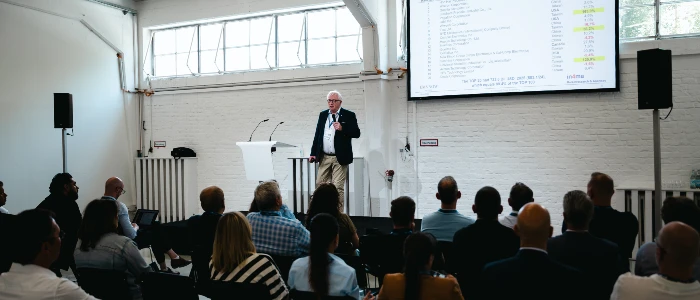
The session that perhaps landed hardest came from Dieter G. Weiss of in4ma and Eric Miscoll of EMSNOW, who quantified what many in the room already suspected: 2025 was supposed to be a recovery year for European EMS, and it wasn't. While manufacturers in the Far East and Southeast Asia posted double-digit growth, Europe stagnated. The presentation put numbers to the divergence and explained the structural reasons behind it.
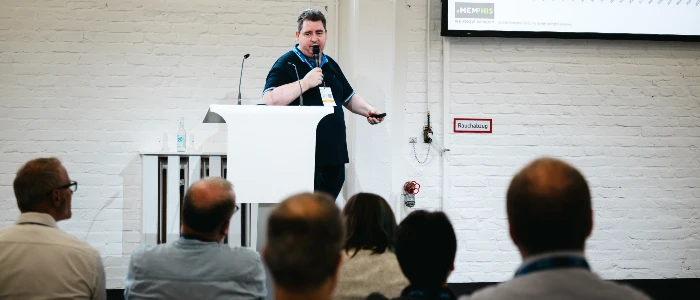
Nikolaos Florous of Memphis Electronic brought a different kind of structural argument – this time about memory. His presentation made the case that the global memory market is no longer the cyclical commodity business it once was, and that AI-driven demand, geopolitical realignment and rising capital intensity have created a market where legacy and advanced memory are both in shortage, but for entirely different reasons.
On the production side, Mira Grünhaupt of PAILOT GmbH addressed one of manufacturing's persistent blind spots: that many factories still run detailed scheduling through Excel and improvisation. Her presentation, anchored in the real-world case of Fritsch Elektronik, showed how AI-supported advanced scheduling can deliver measurable improvements in on-time delivery and resource utilisation – and why getting there requires organisational change, not just new software.
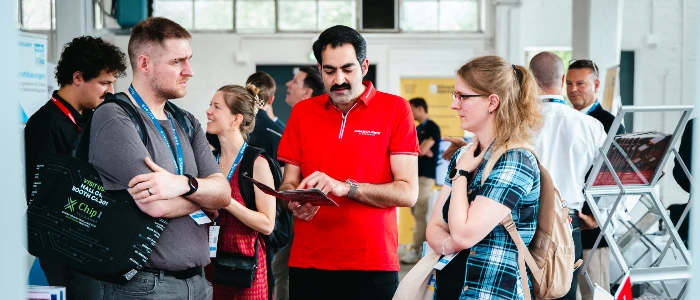
On the floor, the conversations reflected the same currents running through the programme. Exhibitors and visitors reported discussions centred on the memory situation, raw material pressure in PCB manufacturing, lead time developments, geopolitics and the situation around the Strait of Hormuz.
A recurring theme was proximity. Several participants noted that companies are placing greater emphasis on regional partners – shorter distances, direct contact and faster coordination are increasingly seen as important factors at a time when conditions can change quickly.
"Great conversations, exciting insights into current developments in the electronics industry and many new contacts made," was how one participant summed up the day.