


Are you overthinking semiconductor datecodes?
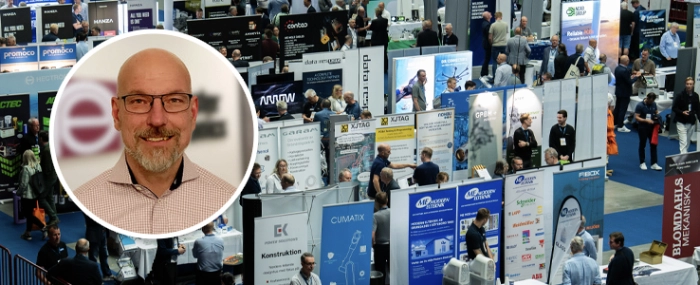
The electronics industry has spent years learning to fear shortages, counterfeit components and end-of-life notices. But according to Ronny Nietzsche, Regional Sales Manager Nordic-Baltic Region at Rochester Electronics, another problem may be quietly shaping purchasing decisions — an outdated understanding of semiconductor date codes.
At Evertiq Expo Lund on May 21, Nietzsche will give a presentation titled “Are you overthinking semiconductor datecodes?”, challenging long-standing assumptions about component usability and shelf life.
For decades, date codes have often been treated as a warning sign in electronics procurement. Components carrying older markings were frequently considered risky or unsuitable for deployment, sometimes regardless of storage conditions or actual quality data. According to Nietzsche, that mindset no longer reflects the realities of today’s semiconductor industry.
During Evertiq Expo Lund Nietzsche will discuss why date codes alone are no longer a reliable indicator of component quality and how rigid internal rules surrounding “expiration dates” may lead companies to discard perfectly viable inventory.
The topic connects closely with Nietzsche’s broader focus on obsolescence management — an issue he has repeatedly addressed during previous events. In earlier interviews with Evertiq, he argued that obsolescence is not an exception but an inevitable part of the semiconductor industry’s lifecycle.
“If you have a product that lasts more than a year or two, you will inevitably encounter this issue,” Nietzsche previously told Evertiq. “And if you know that it will happen, how can you best mitigate and control the risks?”
His perspective has consistently centred on preparedness rather than avoidance. Instead of treating end-of-life events or ageing inventory as isolated procurement problems, Nietzsche argues that companies should integrate long-term component strategies directly into product design and lifecycle planning.
At earlier Evertiq Expo appearances, he also highlighted the risks of relying too heavily on simplified metrics without broader technical context — whether in obsolescence management, redesign decisions, or supply chain planning. The upcoming presentation in Lund extends that discussion into the area of date-code interpretation and component reliability.
The presentation will also address how properly stored semiconductors can remain reliable and field-ready well beyond the assumptions traditionally associated with older date markings. In a market still shaped by supply chain volatility, long product lifecycles and periodic component shortages, the discussion reflects a broader industry question: whether outdated procurement habits are causing manufacturers to reject usable inventory unnecessarily.
Evertiq Expo Lund will be held on May 21. Registration to the event is still open.