
Silicon Box’s Italian chiplet plant moves into design phase
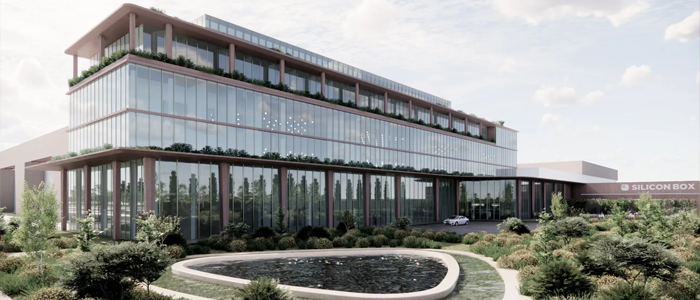
Silicon Box’s planned packaging and test plant in Novara, Italy, has entered the basic design phase. Construction is set to start in 2027.
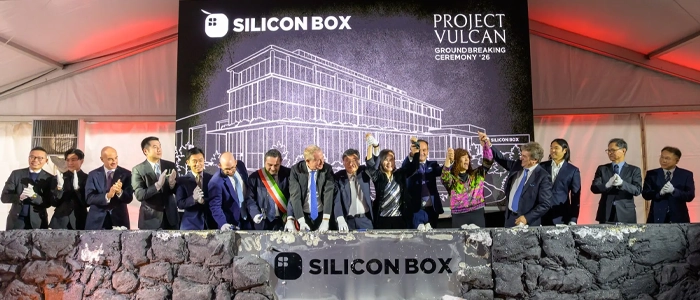
The milestone was reached together with the design and engineering firms Stantec and Drees & Sommer, according to a press release from Silicon Box. The project, which Silicon Box calls Vulcan Project, represents an investment of EUR 3.2 billion. A week earlier, on 9 November, it was formally presented at the site in Agognate, outside Novara, with a symbolic laying of the foundation stone.
The plant will be Silicon Box’s first production site outside Singapore. There, the company integrates chiplets from different manufacturers into a single package that works as one chip. The chiplets are processed on large square panels rather than round wafers, which according to Silicon Box gives higher output at lower cost. The target markets include AI, supercomputing, electric and autonomous vehicles, robotics, mobile devices and space technology. Silicon Box says its team in Singapore has so far shipped more than one billion units with the technology, and describes the Novara plant as the first of its kind in the EU.
According to Silicon Box’s COO, Jae Hak “JH” Yee, the design phase is where the experience from Singapore will be built into the new plant.
“Our Singapore facility has shown that advanced panel-level packaging can run at high volume and at high yield. Our task now is to build that same discipline into Novara from the first drawing,” he says.
Stantec coordinates the project and is responsible for the office building, outdoor areas, infrastructure, water and power supply, and permits. Drees & Sommer designs the production and utility buildings, including the cleanrooms. Both firms were appointed in 2025.
The investment is backed by EUR 1.3 billion in public funding, which the Italian government manages through its investment agency Invitalia under the national semiconductor programmes that form part of the EU Chips Act. The European Commission has also granted the project Open EU Foundry status. The plant will cover a 60-hectare site and is expected to employ around 1,600 people at full capacity.