

Seoul Semiconductor ‘ends need for rare earths in white LEDs’
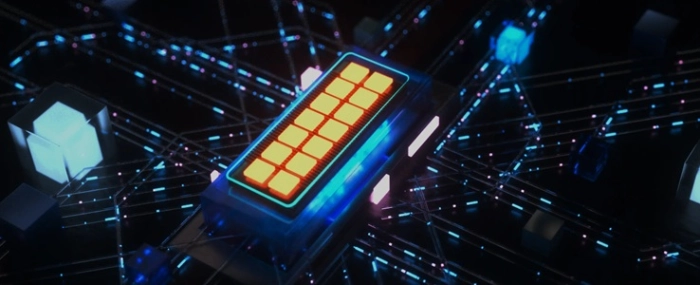
With WICOP, Seoul Viosys and its parent company Seoul Semiconductor have already developed and mass produced ultraviolet, blue, green, red and infrared LEDs under 100 µm. WICOP 3 now extends that capability to white light without rare earth elements.
For three decades, white LEDs have depended on rare earth materials such as yttrium aluminum garnet (YAG) layered onto a blue LED chip. Seoul Viosys has announced that it has broken that dependence. It has developed and begun mass producing a chip that emits white light without rare earths. The chip can be as small as 10 micrometers (µm), according to a press release.
Seoul Viosys and its parent company Seoul Semiconductor opened the micro LED market with WICOP, a chip architecture that eliminates the package altogether. With WICOP, the two companies have already developed and mass produced ultraviolet, blue, green, red and infrared LEDs under 100 µm that are too small for the eye to see. WICOP 3 is the third generation of the technology. It now extends that capability to white light without rare earth elements (REEs), the press release said.
White LEDs make up roughly USD 10 billion of the USD 15 billion global market for packaged LEDs. Seoul Semiconductor believes WICOP 3 can now replace them with a technology free of rare earths.
“Until now, WICOP could make chips smaller, but white light still required a package containing rare earths. White chips therefore could not go below 1,000 µm. This held back cost reduction. White micro LEDs under 100 µm (0.1 mm) were also out of reach,” the company said. “Removing rare earths changes that. White light is now possible both in large chips of 1,000 µm and above and in micro LEDs below 100 µm.”