
Qcells expands alliance with Microsoft to boost grid capacity
Rather than simply adding electricity demand to the grid, the proposed approach would develop new generation and flexible energy resources alongside Microsoft’s expanding data center footprint, helping support grid reliability while enabling future AI growth.
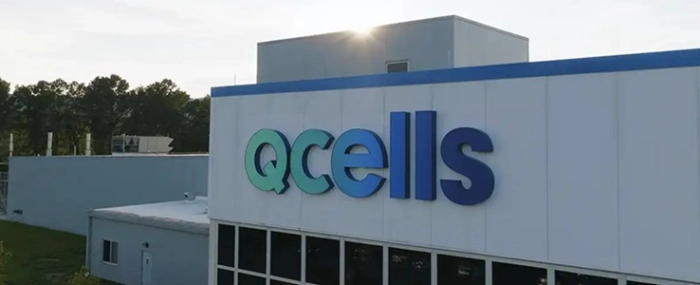
Qcells, a clean energy company headquartered in Seoul and owned by the South Korean Hanwha Group, has announced it is expanding its existing relationship with Microsoft to explore ways to pair AI infrastructure with new energy capacity.
Rather than simply adding electricity demand to the grid, the proposed approach would develop new generation and flexible energy resources alongside Microsoft’s expanding data center footprint, helping support grid reliability while enabling future AI growth, Qcells said in a press release.
Under a proposed ‘bring-your-own-capacity’ (BYOC) model, Qcells would develop and build new energy capacity that could be delivered either directly to Microsoft or to the local utility serving the surrounding community. Microsoft would fund the power required for its operations, helping ensure that new data center demand is matched with new energy resources, the press release said.
The companies are also exploring Virtual Power Plants (VPPs) that combine thousands of residential and commercial batteries into a single flexible energy resource.
“As AI transforms the economy, we have an opportunity to rethink how the energy infrastructure supporting it is built,” said Andy Park, Global CEO of Qcells. “Our relationship with Microsoft began with American-made solar manufacturing and construction. Now we’re exploring how we can build the energy capacity needed for AI while creating lasting value for the communities that share the grid.”